Pre-Birth Shopping Guide
We've grouped the items you'll need most before your baby arrives. The goal is a complete starter set — you don't have to buy everything at once.
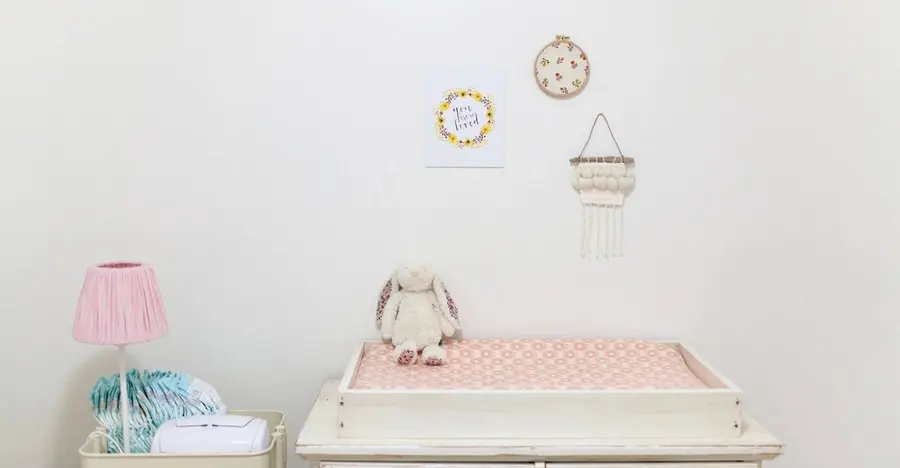
Tip: Buy few newborn-size clothes (babies grow fast), don't overstock diapers and wipes early, and think about the season. If buying second-hand, try to get safety-critical items (car seat, mattress) new or with a known history.
How much do you actually need?
How Many Diapers a Day?
| Stage | Per day | Per month |
|---|---|---|
| Newborn (0-1 mo) | 8-12 | ~300 |
| 1-5 months | 8-10 | ~270 |
| 5-12 months | 6-8 | ~210 |
| After 1 year | 4-6 | ~150 |
These are approximate; every baby is different. The newborn stage is the most intense.
Which Size, How Much to Buy?
| Size | Weight | Approx. duration | Suggestion |
|---|---|---|---|
| 1 (Newborn) | 2-5 kg | ~3-4 weeks | 1-2 packs |
| 2 (Mini) | 3-6 kg | ~1-2 months | 2-3 packs |
| 3 (Midi) | 4-9 kg | ~3-5 months | A bulk box makes sense |
| 4 (Maxi) | 7-18 kg | long term | Bulk box when the time comes |
| 5 (Junior) | 11-25 kg | 1 year and up | As needed |
Babies grow fast; buy few of the smaller sizes so you're not left with leftovers. Sizes 3 (Midi) and 4 (Maxi) are used most.
How Long Will You Use Each Item?
| Item | Usage period | Note |
|---|---|---|
| Bottle | 0 mo – until weaning | Teat moves to faster flow as baby grows; transition cup after ~1 year |
| Pacifier | 0 mo – ~1-2 years | When to stop varies by child and family |
| Baby bathtub | 0-6 months | Bigger tub/shower once sitting (~6 mo) |
| Crib / rocking crib | 0-5/6 months | Move to a cot once baby rolls/pushes up |
| Cot | ~0-3 years | Used for a long time after the bassinet |
| Car seat (group 0+) | 0 – ~13 kg / ~15 mo | Then the next group seat |
| Stroller | 0-6 mo recline, then upright | Upright until ~3 years / weight limit |
| Carrier | 0 mo – ~2 years | By weight limit; ergonomic models last longer |
| Bouncer / swing | 0-6 months | Mind the weight/sitting limit (not for sleep) |
| Sleep sack | by size (~a few months each) | New one as baby grows |
Approximate durations; they vary with use and how fast baby grows.
Which Clothing Size Fits Which Age?
| Size (height) | Approx. age |
|---|---|
| 50-56 cm (Newborn) | 0-1 mo (~3-4 weeks) |
| 62 cm | 1-3 months |
| 68 cm | 3-6 months |
| 74 cm | 6-9 months |
| 80 cm | 9-12 months |
| 86 cm | 12-18 months |
Newborn/0 size lasts very briefly — so buy few. Height-based sizes are more reliable.
Stage by stage
Newborn · 0-1 mo
- Most of the day is sleep and feeding, 8-12 diapers a day.
- Newborn/0 size clothes start to get small in ~3-4 weeks.
- Focus: sleep routine, feeding, cord care and breastfeeding.
More Awake · 1-3 mo
- Smiling, responding to sounds and longer awake periods begin.
- Move to 62 cm clothes; newborn clothes retire.
- Bouncer, play mat and hanging toys start to be useful.
Discovery · 3-6 mo
- Holds head up, reaches for objects, brings them to the mouth (teethers help).
- Move to 68 cm; 8-10 diapers a day.
- Upright stroller position and the carrier get more use.
Sitting, Starting Solids · 6-9 mo
- Unsupported sitting and solids begin — time for a high chair, spoon and bib.
- Move to 74 cm; 6-8 diapers a day.
- As crawling nears, consider home safety (corner/outlet covers).
On the Move · 9-12 mo
- Crawling, pulling to stand and first steps may happen in this period.
- Move to 80 cm; finger foods begin.
- Real shoes come once walking starts; socks/booties are enough first.
Shopping list by room
Sleep
- Crib or cot — CE/safety approved; slat gap 4.5-6.5 cm. A rocking crib is handy for the early months.
- Firm, well-fitting mattress — Don't use a soft/old mattress; no gaps at the edges (safe sleep).
- Waterproof mattress protector — Protects the mattress; at least 1-2.
- Fitted sheets — 2-3; they get changed often.
- Sleep sack or swaddle — Season-appropriate weight. Preferred over loose blankets (safe sleep).
- White noise / night light — Eases the transition to sleep (optional).
- Bedside/co-sleeper crib (optional) — A crib next to your bed makes night feeding easier in the early months.
Feeding
- Nursing pillow — Supports your back and arm; makes breastfeeding much more comfortable.
- Breast pads — For leaks; disposable or washable.
- Nipple cream (lanolin) — Soothes cracks in the first days.
- 2-3 newborn bottles — With slow-flow (0+) teats. Anti-colic can be preferred.
- Bottle brush and sterilizer — Hygiene matters early; steam/microwave sterilizers are practical.
- Breast pump (optional) — If you plan to return to work or build a milk stash.
- Milk storage bags (optional) — For freezing expressed milk.
Diapering
- Newborn diapers (1-2 packs) — Don't overstock; baby grows fast and may jump a size.
- Wet wipes (fragrance-free) — Choose newborn-safe, alcohol-free/fragrance-free ones.
- Diaper rash cream — Zinc oxide ones are protective.
- Changing mat — Wipeable surface; on a bed/dresser.
- Muslin cloths — Very handy during changes and general use (4-6).
- Lidded trash can — For odor control.
- Sterile gauze for cord care — To keep the cord area clean until it falls off.
Clothing
- Snap bodysuits 6-8 — Bottom snaps make diaper changes easier.
- Rompers 4-6 — Front-snap styles are easier for newborns.
- Socks and booties 4-6 pairs — Tiny socks go missing; keep spares.
- Scratch mittens — So baby doesn't scratch their face.
- Hat / beanie — Keeps a newborn's head warm; thin or thick by season.
- Cardigan or coat (seasonal) — Outerwear if winter; a thin cardigan is enough in summer.
- Going-home outfit — Season-appropriate, easy to put on.
Bath & Care
- Baby bathtub — Models with a seat/hammock are safer for newborns.
- Hooded towels x2 — Keep baby warm after the bath.
- Tear-free baby wash/shampoo — Choose a suitable pH, mild scent.
- Soft sponge or cloth — For gentle cleaning.
- Baby nail clippers / file — Should be small with rounded tips.
- Soft comb and brush — Also helps with cradle cap.
- Nasal aspirator and saline — Relieves a stuffy nose.
- Digital thermometer — Fast and reliable; essential for tracking fever.
Out & About
- Baby car seat (group 0/0+) — REQUIRED by law and for safety; needed to leave the hospital. Don't buy second-hand with unknown crash history.
- Stroller/pram — Recline (newborn-suitable) and foldable models are practical.
- Ergonomic carrier — Frees your hands; check waist/hip support.
- Diaper bag — Compartmentalized ones with a changing mat are handy.
- Rain cover and sun shade — Accessories that fit the stroller.
Safety & Health
- Baby monitor — Audio/video tracking if baby sleeps in a separate room.
- Digital thermometer — Always keep one at home.
- Saline and sterile cotton — For nose and eye cleaning.
- Room thermometer / humidifier — 20-22°C is ideal; a humidifier helps in dry air.
- Small first-aid/care kit — Baby scissors, gauze and a digital thermometer together.
For Mom
- Nursing bras x2-3 — Comfortable, front-opening styles.
- Breast pads — Keep spares for leaks.
- Postpartum maternity pads — Needed for the first weeks.
- Large / disposable underwear — Comfortable postpartum.
- Comfortable, front-opening clothes — Make breastfeeding easier.
Nice-to-Have Extras
- Bouncer or swing — Handy for safely setting baby down (not for sleep).
- Play mat — For tummy time in the coming months.
- Pacifier (optional) — Best after breastfeeding is established (usually 3-4 weeks).
- White noise / music box — May help with the transition to sleep.
- Photo / keepsake book — A lovely touch to capture the first moments.
No Rush for These
- High chair — Not needed until solids (around 6 months).
- Weaning bowls / spoons — Buy around 6 months.
- Shoes — No real shoes until walking; socks/booties are enough.
- Baby walker — Experts advise against them; considered risky for development and safety.
- Lots of newborn-size clothes — Baby grows fast; extras stay unused.
Practical notes
- When planning the list, think about the season: a winter baby needs warm outerwear, a summer baby needs light layers.
- Leave items likely to be gifts (clothes, toys, blankets) for last; they can pile up.
- Never trade safety for savings on safety-critical items (car seat, crib/mattress).
Related articles
Birth Interventions: When and How?
Birth doesn't always go by the book—and that's not a problem. Sometimes adding a little support to the process (easing pain, starting labor, helping the baby in the…
Read article
Signs of Labor: When to Go to the Hospital
As your due date nears, every twinge makes you wonder: is this it? Labor usually builds gradually, and for a first baby the early phase can last many hours. Knowing…
Read article
Birth Packages and Insurance Guide
"Where should I give birth, and what will it cost?" — a calculation every mom-to-be in Turkey eventually runs. This guide lays out all three options: public…
Read articleContinue your journey with Momly
Track your week, save what matters and keep every guide in your pocket — on iPhone.
Browse more in Birth Preparation