
Birth Interventions: When and How?
Birth doesn't always go by the book—and that's not a problem. Sometimes adding a little support to the process (easing pain, starting labor, helping the baby in the…
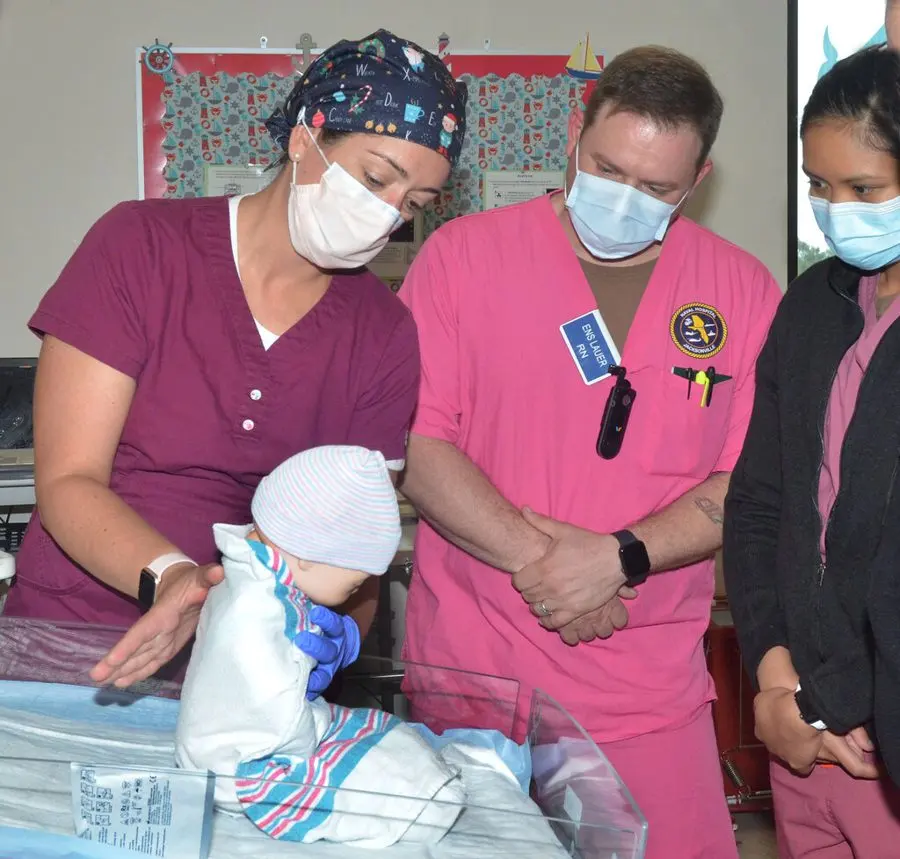
Birth doesn't always go by the book—and that's not a problem. Sometimes adding a little support to the process (easing pain, starting labor, helping the baby in the final stretch) protects both you and your baby. The aim of this guide is so you're not meeting these terms for the first time in the delivery room: if you know in advance what each one is, then at the moment of decision you'll feel like a partner in the process, not just a passenger.
Under each heading you'll find what the method is, when it comes up, and its pros and cons. The details of practice vary from hospital to hospital; asking about what's available where you'll give birth is the smartest preparation you can do.
Coping With Pain: A Spectrum of Options
Drug-free methods — don't underestimate them
A warm shower, a birth ball, changing positions, lower-back massage, breathing rhythm, and a TENS unit... These aren't "decoration"; especially in the early hours of labor, they're real tools that carry many women through without medication. And none of them close the door to the other methods—you can move up to the next level whenever you want.
- Freedom to move can speed up labor; any time you're not required to stay in bed, spending it standing, squatting, or on the ball works in your favor.
- The job of the person with you isn't to "fix" your pain; it's to bring water, press on your lower back, and remind you of your rhythm. Explain this to them ahead of time.
Epidural — the comfort champion
Medication delivered through a thin catheter in your back blocks pain from the waist down but doesn't put you to sleep: you're awake, talking, and able to push.
- Pros: This is the most effective pain control; in long labors it lets you rest and gather your strength; if needed, the dose can be increased to convert it for a cesarean.
- Cons: Because your legs go numb you can't walk, and a urinary catheter may be needed; the pushing stage may lengthen a bit; rarely, blood pressure drops or a headache follows.
- "Is it too late for an epidural?"—most of the time, no; it can usually be done until the cervix is quite dilated. If you're wondering, ask in the delivery room, don't assume.
Spinal — single dose, fast acting
Instead of a catheter, medication is delivered into the spinal fluid with a single needle; it takes effect within minutes. It's most often used for planned cesareans.
Gas mix — you're in control
- The gas you breathe through a mouthpiece (half oxygen, half nitrous oxide) takes the peak off contraction pain.
- Its biggest advantage: the mouthpiece is in your hand; you decide when and how much to use it. Its effect starts and stops within seconds.
- It doesn't eliminate pain completely; in some people it causes dizziness or nausea—which passes quickly once you stop.
Opioid injection
A pain-relief injection given in the hip doesn't erase pain entirely but lets you relax and rest between contractions. Because it can make the baby a little sleepy if given very close to delivery, the team decides on the timing.
How Is the Baby's Heartbeat Monitored? (Monitor/NST)
In the delivery room, a two-belt device strapped to your belly (cardiotocography) tracks the baby's heartbeat and the contractions together. Those "beep" sounds are the team's eyes and ears:
- In a low-risk birth, intermittent listening may be enough; in between, you keep your freedom to move.
- If there's an induction, an epidural, or a risky situation, continuous monitoring is preferred.
- Temporary fluctuations in the heartbeat are common and most resolve with a change of position—not every alert from the monitor means a crisis.
- If the team isn't sure about something, they do further assessment; when you're told "the baby may be in distress," know that this is managing a possibility, not a final verdict.
Starting Labor (Induction)
When does it come up?
- When the due date has passed: once you reach 41–42 weeks, the risk of waiting begins to outweigh the risk of starting.
- When your water has broken but contractions haven't started (so the window for infection doesn't open),
- For medical reasons such as high blood pressure, gestational diabetes, cholestasis, or slowing of the baby's growth.
Step-by-step methods
- Membrane sweep: a gentle first step done with a finger during an exam that triggers your body's own hormone. Spotting and cramping afterward are normal.
- Prostaglandin: a gel, tablet, or insert that "ripens" the cervix. Its effect can take hours; bring a book or headphones.
- Breaking the water: opening the membrane with a small hook; it's an instant procedure that speeds up labor.
- Oxytocin drip: a hormone given through an IV that starts and strengthens contractions. Throughout the drip, the baby is watched on the monitor.
Facts you should know
- Induced contractions are sometimes felt as more intense than a natural onset; discuss your pain-management options from the start.
- The process can take hours, sometimes 1–2 days—don't come expecting "I'll give birth right away."
- When an induction is recommended, it's your right to ask why, what the alternative is, and whether waiting is an option (see the 4 questions below).
Help in the Final Stretch: Vacuum and Forceps
If the baby has reached the end of the birth canal but that last step just won't finish—if pushing has gone on too long, if you're exhausted, or if the baby's heartbeat is saying "let's come out now"—two helpers can step in:
- Vacuum: a soft cup is placed on the baby's head and gently guides along in sync with a contraction. It can cause swelling/bruising on the baby that resolves in a few days.
- Forceps: two spoon-shaped instruments cradle the baby's head from the sides. It's stronger than the vacuum; the team chooses based on the situation.
- For you, the risk of a perineal tear increases somewhat; that's why an episiotomy comes up more often with an assisted birth.
- Know that these tools aren't a sign of a "failed birth"—they're the finishing touch of a vaginal birth completed without needing a cesarean.
Episiotomy: No Longer Routine
- An episiotomy is a small cut made in the perineum to widen the opening—and in modern birth practice it is NO LONGER a routine done to everyone.
- Situations where it comes up: a serious risk of tearing, an assisted birth, or moments when the baby needs to be born quickly.
- The stitches dissolve on their own; during recovery, a donut cushion, cold compresses, and drinking plenty of water (so it doesn't sting when you urinate) make things easier.
- Asking "do you perform routine episiotomies?" at a prenatal visit is completely legitimate—you can make the answer a factor in choosing a hospital.
- Perineal massage (from 34 weeks on) can reduce the chance of a natural tear or cut; ask your midwife how it's done.
Cesarean: Planned or a Plan That Changed at the Door
What awaits you in the operating room?
- Most cesareans are done with a spinal/epidural: you're awake, hearing your baby's first sound. There's a drape at chest level; you'll feel not touch but a tugging sensation, which is normal.
- After the baby is out, they're checked over and, if all is well, can be placed skin-to-skin on your chest while you're still on the operating table—say ahead of time that you'd like this.
- The procedure usually takes 40–60 minutes; the part where the baby is born is the first 5–10 minutes.
The recovery period
- The first days there's incision pain; pain relievers are compatible with breastfeeding, so don't hold back.
- Getting up early (within the first 24 hours, with support) reduces the risk of clots and speeds healing.
- It's recommended not to drive or lift anything heavy (nothing heavier than the baby) for about 6 weeks.
- If there's redness, discharge, or fever at the incision site, don't wait for your checkup.
The next birth: is a cesarean your destiny?
Having had one cesarean doesn't mean your future births must be cesareans too. "Vaginal birth after cesarean" (VBAC) is a safe option for many women; whether it's suitable is evaluated with your doctor based on the type of incision and how your pregnancy is going.
4 Questions at the Moment of Decision (B-R-A-N)
When an intervention is proposed during birth—except in emergencies—asking these four questions is both your right and the key to the best decision:
- Benefit (What's the benefit?): What will this intervention gain for me/my baby?
- Risk (What's the risk?): What are the possible side effects and complications?
- Alternative: Is there another option?
- Nothing (What if we wait?): What happens if we do nothing, and how long can we wait?
A good team isn't bothered by these questions; on the contrary, working with a mother who asks makes their job easier. Teach your partner these four questions too—while you're busy with contractions, they become your voice.
Birth Plan: A Compass, Not a Contract
- Write your preferences (pain method, skin-to-skin contact, delayed cord clamping, photos...) in a one-page birth plan and share it with the team.
- But carry the plan like a compass, not a contract: birth is a living process and the route can change. A change of plan isn't failure—it's adaptability.
- The most solid item in a plan is this: "On every non-emergency decision, consult me and explain the options."
- You can jot your preferences on paper or in your phone and share them with your doctor.
Related articles

Signs of Labor: When to Go to the Hospital
As your due date nears, every twinge makes you wonder: is this it? Labor usually builds gradually, and for a first baby the early phase can last many hours. Knowing…
Read article
Birth Packages and Insurance Guide
"Where should I give birth, and what will it cost?" — a calculation every mom-to-be in Turkey eventually runs. This guide lays out all three options: public…
Read article
Pre-Birth Shopping Guide
We've grouped the items you'll need most before your baby arrives. The goal is a complete starter set — you don't have to buy everything at once.
Read articleContinue your journey with Momly
Track your week, save what matters and keep every guide in your pocket — on iPhone.
Browse more in Birth Preparation