Foods to Avoid and Limit During Pregnancy
When you're pregnant, your body recalibrates its immune balance to protect your baby, and one side effect is that you become more vulnerable than usual to certain…
When you're pregnant, your body recalibrates its immune balance to protect your baby, and one side effect is that you become more vulnerable than usual to certain foodborne germs. On top of that, an infection you might shake off easily can cross the placenta and cause serious harm to your baby. The good news: most of the rules in this guide come down to a few simple habits. Once you know what to cook, what to wash, and what to steer clear of, your meals stay both safe and enjoyable.
The lists below aren't meant to scare you, but to be right at your fingertips when you need to make a decision. Whenever you're unsure at the grocery store, a restaurant, or a friend's house, you can come back to this page.
Foods to Cut Out Completely
Undercooked or raw meat
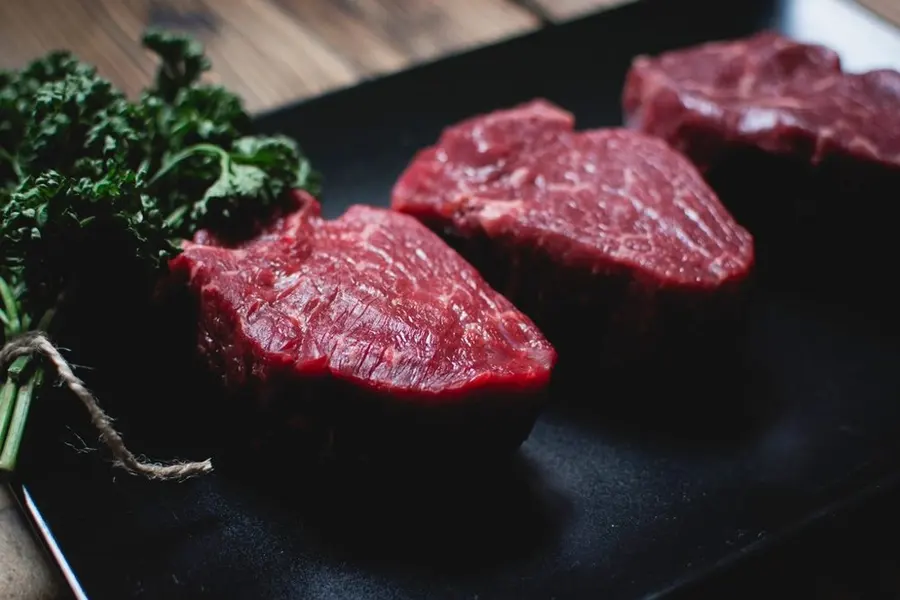
If the center of the meat is still pink or the juices run red, that meat isn't ready for you yet. The toxoplasma parasite that can live in undercooked meat may cause permanent damage to your baby's eyes and brain. Cook red meat, chicken, and turkey until the center turns gray and the juices run clear.
- Keep undercooked steak, rare meatballs, and raw meat dishes (like steak tartare) off your plate.
- Fermented but uncooked cured meats (like dry sausage or air-dried beef) are only safe if thoroughly cooked — for example, sizzled in the pan with eggs.
- Grilled meat that's charred on the outside but still raw inside is deceiving; cut into thick pieces to check.
Soft-boiled and raw eggs
Both the white and the yolk of the egg need to be fully set. A runny yolk can carry live salmonella bacteria, which in pregnancy can turn into a severe stomach and intestinal infection.
- Hold off on soft-boiled eggs, jammy yolks, and the runny yolk of a sunny-side-up egg.
- Watch out for hidden raw egg: homemade mayonnaise, tiramisu, mousse, raw cake batter, and some salad dressings.
- Store-bought products made with pasteurized egg are generally fine; check the label.
Raw milk and certain cheeses
Unpasteurized milk and the cheeses made from it can carry a bacterium called listeria. Listeria is insidious in pregnancy: while it may cause only a mild fever in you, it can lead to miscarriage, premature birth, or stillbirth in your baby.
- Never drink unpasteurized farm milk without boiling it first.
- Cross soft cheeses with a white rind (brie, camembert style) and blue-veined cheeses like Roquefort off your list.
- If you're not sure about raw-milk aged cheeses or homemade fresh cheeses, don't hesitate to ask: "Is the milk pasteurized?"
- Hard cheeses like cheddar and parmesan, along with white cheese, curd cheese, and cream cheese made from pasteurized milk, are safe. If a risky cheese has been cooked until bubbling in a savory pastry or on a pizza, it counts as safe too.
Cold cuts and spreads
Sliced salami, ham, smoked meat, and all kinds of pate (meat or vegetable spreads) are products where listeria can grow while they sit in the fridge. If heated through in a toasted sandwich or on a pizza, they're fine; in a cold sandwich, they're risky.
- The rule is simple: don't put deli products on your plate unless they've been heated until steaming.
Raw seafood and high-mercury fish
Products like sushi, raw oysters, and mussels can carry both bacteria and viruses. If you love fish, that's wonderful — just choose the cooked version.
- Avoid entirely: shark, swordfish, marlin, king mackerel, and bigeye tuna. These large predatory fish accumulate mercury up the food chain, and mercury is toxic to your baby's developing brain.
- Stuffed mussels are tempting from a street vendor, but if the source is uncertain, skipping them is the safest choice in pregnancy.
Raw sprouts and unwashed produce
- Bacteria settle into raw sprouts like alfalfa and mung beans at the seed stage, so washing doesn't help. Cooked sprouts, however, are fine to eat.
- Soil is home to the toxoplasma parasite. Wash everything that grows close to the ground — lettuce, arugula, strawberries — one by one under plenty of running water.
Liver and high-dose vitamin A
Liver is nutritious, but too much of it is harmful in pregnancy: the concentrated vitamin A (retinol) it contains can disrupt your baby's development. Shelve liver, liver pate, and cod liver oil supplements for the whole pregnancy.
- If you take a prenatal vitamin, check the label: it shouldn't contain vitamin A in the "retinol" form. The beta-carotene form is not a problem.
Alcohol
There's no gray area here: there is no amount of alcohol considered safe in pregnancy — not a single glass of wine, no "special occasion" exception. Alcohol passes directly through the placenta and can affect your baby's brain development at every stage. The safest choice is zero alcohol.
Foods to Keep in Check
Caffeine: a 200 mg daily limit
You don't have to give up your coffee; your limit is about 200 mg a day. That's roughly one large cup of filter coffee or two cups of instant coffee. Remember, caffeine isn't just in coffee:
- Tea (a strong cup is about 50 mg) — if you sip tea all day the way it's done in Turkey, it can throw off your count.
- Cola and energy drinks (stay away from energy drinks entirely).
- Dark chocolate (a small bar is about 25 mg).
A practical solution: keep your morning coffee, and brew your daytime tea weaker or switch to caffeine-free alternatives.
Portion math for fish
- Oily fish like salmon, sardines, anchovies, and trout are a valuable source of omega-3 for your baby's brain; enjoy up to 2 servings a week with peace of mind.
- Tuna carries more mercury than the others, and the type matters: with light canned tuna, at most 2 cans a week; albacore/white tuna has more mercury, so limit it to 1 can or 1 fresh tuna steak a week.
- Small fish = low mercury. Anchovies, sardines, and mackerel are both cheap and pregnancy-friendly.
Herbal teas and remedy blends
"Herbal" doesn't always mean "harmless." Some herbs can trigger uterine contractions or have hormonal effects.
- Enjoy in moderation (1–2 cups a day): ginger tea (helps with nausea), rosehip, linden, and mint-lemon.
- Be cautious or avoid: sage, fennel, rosemary tea, excessive chamomile, and "mixed herbal teas" with unclear ingredients.
- Check with your doctor before using anything from an herbalist — a "natural" label is not a safety test.
Why Do These Germs Matter So Much?
Knowing which rule prevents which danger makes the rules easier to remember:
- Listeria — a rare but dangerous bacterium that can grow even under refrigeration. Sources: raw dairy products, moldy or soft cheese, cold cuts. In pregnancy it carries a risk of miscarriage, premature birth, and severe infection in the baby.
- Toxoplasma — a parasite that lives in raw meat and soil. If you catch it for the first time during pregnancy, it can affect your baby's eyes and brain. Sources: undercooked meat, unwashed greens, cat litter (contact without gloves).
- Salmonella — the classic germ of raw eggs and undercooked chicken. It doesn't pass directly to the baby, but the high fever and fluid loss it causes in you put a strain on the pregnancy.
- Mercury — not a germ but a heavy metal; it builds up in large fish and affects the baby's nervous system.
- Excess vitamin A — found in liver and high-dose supplements; in the first trimester it can cause structural problems in the baby.
8 Golden Rules in the Kitchen
Most of the risk is born at the kitchen counter — and prevented there too:
- Wash your hands with soap for 20 seconds before and after touching raw meat.
- Use a separate cutting board for raw meat; if you only have one board, chop the vegetables first and leave the meat for last.
- Store raw meat on the bottom shelf of the fridge in a covered container — so its juices don't drip onto other foods.
- Keep your fridge below 5°C (41°F); the door shelf is the warmest spot, so keep dairy on the inner shelves.
- Thaw frozen meat in the fridge or the microwave, not on the counter.
- Put leftovers in the fridge within 2 hours; when you eat them again, heat until steaming and reheat only once.
- Instead of soaking salads and fruit in vinegar water, scrub them under plenty of running water — what really works is the mechanical cleaning.
- If you're going to work in the garden or with cat litter, wear gloves and wash your hands afterward.
When Eating Out
A restaurant, a party, or a vacation — when you're out, you're not in control, but a few smart questions can cut the risk way down:
- Ask for meat "well done" and check the center when it arrives; if it's pink, don't hesitate to send it back.
- Stay away from buffet dishes that have been sitting a long time and kept lukewarm; choose hot dishes fresh out of the kitchen.
- Ask about items that might contain raw egg, like Caesar dressing, homemade mayonnaise, and tiramisu.
- With street food, anything served cold (mussels, the sitting-out toppings for a baked potato) is risky; options coming hot off the griddle or stove are safer.
- Abroad, if the tap water is questionable, drink bottled water, and add ice cubes to your skip list too.
Reading Labels While Grocery Shopping
A two-second label check saves you from memorizing the whole list:
- Look for the word "pasteurized" on dairy products; put back any cheese that says "made from raw milk."
- Stay away from ready-made or chilled products nearing their expiration date (sliced deli meats, prepared salads) — listeria loves waiting around.
- On supplements, check for "retinol / vitamin A palmitate"; don't take vitamin A outside of your prenatal multivitamin.
- Don't put drinks labeled "energy drink," "guarana," or "high caffeine" in your cart.
- Never buy cans that are bulging or dented; if you're given a jar of home-canned food as a gift, don't eat it without boiling.
"I Ate It by Accident!" — What Now?
If you ate something from the list without realizing, first take a deep breath: the vast majority of one-time exposures cause no problems at all. What's needed is observation, not panic.
- Note what you ate and when you ate it.
- If over the next few days you develop fever, chills, muscle aches, diarrhea, vomiting, or flu-like symptoms, see your doctor and mention "I had eaten this" — especially if listeria is suspected, early antibiotics are very effective.
- If you have no symptoms, no extra testing is needed; simply not eating that food again is enough.
- The same goes for alcohol: if you drank before you knew you were pregnant, don't blame yourself; stopping from the moment you found out is enough. Share any concerns with your doctor.
Worth Remembering: A Quick Summary
- Cook it: meat, chicken, eggs, seafood — all fully cooked.
- Wash it: all vegetables and fruit, hands, counter.
- Choose pasteurized: milk, cheese, ready-made products.
- Heat it: cold cuts and leftovers until steaming.
- Limit it: caffeine to 200 mg, light tuna to 2 cans a week (albacore/white tuna 1 can), oily fish to 2 servings.
- Zero it out: alcohol, raw seafood, liver, energy drinks.
For any product you're unsure about, the golden question is: "Is this fully cooked, pasteurized, and washed?" If you can say yes to all three, enjoy your meal.
Related articles
Beneficial Foods for Mom and Baby
If you have no allergies and your doctor approves, the foods below can support a balanced diet during pregnancy and breastfeeding. Their benefits come from…
Read article
Moms' Most Common Questions and Worries
The questions you grab your phone and type into a search engine at 3 a.m.... This section is exactly for those. We've gathered the questions moms ask most in…
Read article
Mental Health During Pregnancy and After Birth
Everyone tells you pregnancy is "the happiest time of your life" — and often it truly is. But anxiety, tension, tearfulness, and thoughts like "am I really going to…
Read articleContinue your journey with Momly
Track your week, save what matters and keep every guide in your pocket — on iPhone.
Browse more in Nutrition